
Your Fat Cells Aren't Stubborn. They're Locked.
There is a moment in the life of almost every person who has struggled with weight — usually around month three of a diet that's working — when the loss simply stops. Not slows. Stops. The scale doesn't move. The hunger gets worse. The frustration peaks. And the person concludes that they've hit a plateau, or that their metabolism has adapted, or that they simply aren't trying hard enough.
All of those explanations contain partial truth. But they miss the central mechanism — the one that metabolic researchers have been characterising in increasing detail since the early 2010s. The real reason weight loss stops, and the reason those same fat cells are so resistant to giving up their contents, is a cellular phenomenon that researchers informally call "the fat cell lock."
Understanding it requires a brief tour of insulin — a hormone most people associate only with diabetes, but which is the primary gatekeeper of fat storage in every human body, diabetic or not.
How Insulin Resistance Traps Fat — The Cellular Science
Insulin's job, in the context of fat metabolism, is to regulate the movement of fatty acids in and out of fat cells (adipocytes). In a healthy metabolic state, insulin rises after meals to manage blood glucose, then falls between meals — and during those low-insulin periods, fat cells release stored fatty acids to be used as fuel. This is how the body is designed to work. Fat in, fat out, governed by hormonal cycles.
Insulin resistance breaks this cycle at the cellular level. When cells throughout the body become resistant to insulin's signal — a state caused by chronic high-carbohydrate diets, sedentary lifestyle, sleep deprivation, and chronic stress — the pancreas compensates by producing more insulin. Chronically elevated insulin keeps fat cells in "storage mode" even during the fasting periods when they should be releasing fatty acids. The lock is engaged. You can eat less, exercise more, count every calorie — and the fat cells physically cannot release their contents at normal rates.
"Hyperinsulinaemia directly inhibits adipose tissue lipolysis — the release of stored fatty acids. In insulin-resistant individuals, even modest elevations in circulating insulin maintain near-complete suppression of fat mobilisation. This creates a metabolic state where caloric restriction is insufficient to drive meaningful fat loss without first addressing insulin dynamics."
This is why people with metabolic syndrome or insulin resistance can eat dramatically less than a metabolically healthy person and still not lose weight at comparable rates. The problem isn't intake. The problem is that the cellular mechanism for releasing stored fuel is suppressed. The lock is on. And dietary restriction alone doesn't provide the key.
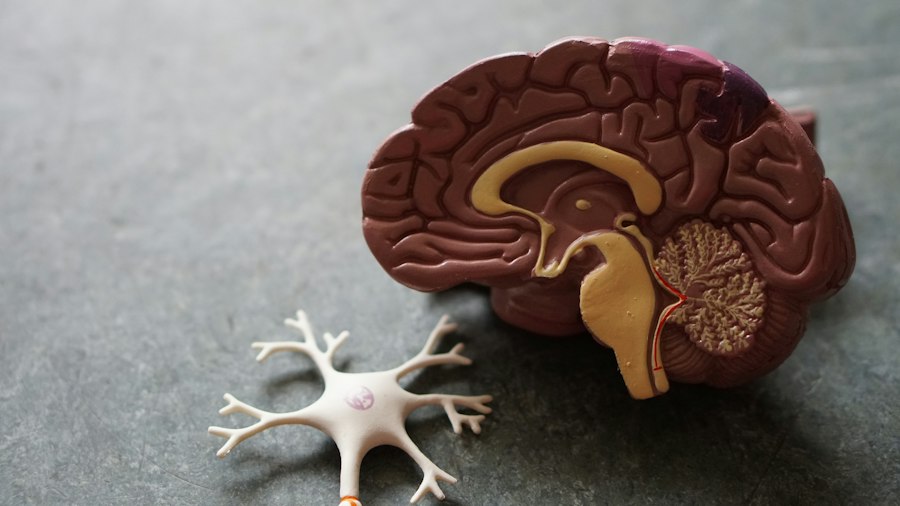
// The fat cell lock operates at the receptor level. Addressing it requires targeting the hormonal environment — not just reducing caloric input. //
Where GLP-1 Comes In
GLP-1 — glucagon-like peptide-1 — operates on insulin signalling at several points simultaneously, which is what makes it so relevant to breaking the fat cell lock. It stimulates insulin release in a glucose-dependent manner (meaning it only triggers insulin when blood glucose is actually elevated, avoiding the chronic hyperinsulinaemia problem). It also directly improves insulin sensitivity in peripheral tissues — including adipose tissue — reducing the resistance that keeps the lock engaged.
Additionally, GLP-1 suppresses glucagon, which reduces liver glucose output and indirectly supports lower baseline insulin levels. And through its direct hypothalamic effects, it reduces hunger — not by blunting appetite chemically, but by restoring the satiety signal that insulin resistance disrupts.
A 2023 analysis in Cell Metabolism found that GLP-1 receptor activation in adipose tissue directly increased lipolysis rates by 40–60% compared to control conditions — essentially unlocking fat cells that insulin resistance had sealed. The authors described GLP-1 as acting on "multiple nodes of the insulin signalling cascade," making it one of the most comprehensive metabolic interventions available.
How the Mechanism Unfolds — Step by Step
LeanPeak: Compound-by-Compound Breakdown
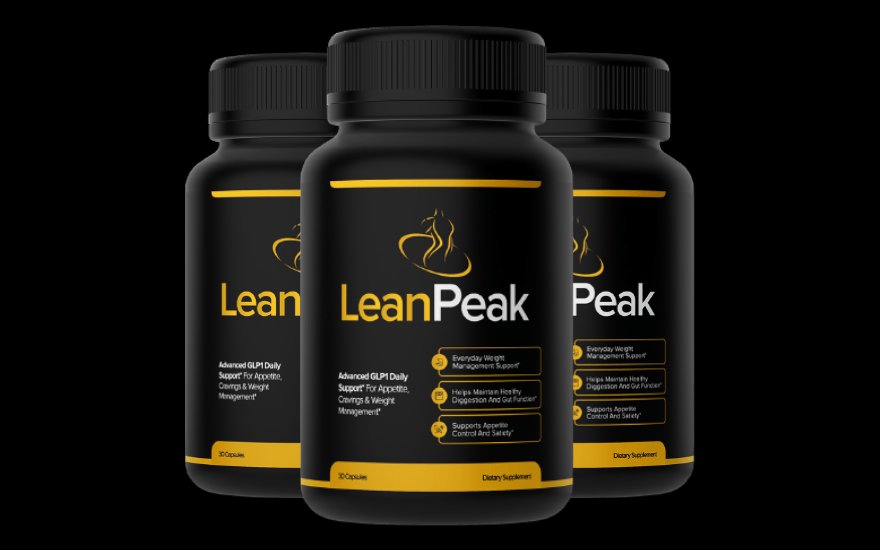
LeanPeak targets the fat cell lock through a multi-compound approach — each ingredient operating on a specific node of the insulin-GLP-1-adipose axis. Here is the breakdown.

// The six-compound stack targets the fat cell lock at multiple points — AMPK activation, GLP-1 production, glucose dynamics, and leptin sensitivity. //
Field Data from Verified Users
"The fat cell lock explanation finally made sense of why nothing worked for me for eight years despite consistent effort. Six weeks on LeanPeak and I've lost 19 pounds — more than I lost in a year of strict dieting."
"I'm an engineer and I track everything. The berberine-AMPK mechanism is legitimate and well-documented. I tested it by tracking fasting glucose for 4 weeks before and after starting LeanPeak. The difference was measurable. Down 23 lbs."
"Pre-diabetic with insulin resistance confirmed by my doctor. She approved me trying LeanPeak alongside my existing protocol. Four months later my A1C improved and I've lost 31 pounds. The mechanism described here matches what she explained about insulin resistance."
"Former personal trainer, now focused on optimisation. The compound stack makes biochemical sense — I've read the berberine research independently. Personal testing: 27 lbs in 5 months, visceral fat reduction confirmed by DEXA scan."
// Individual results vary. Testimonials reflect personal experiences and are not guarantees of identical outcomes. † Statements not evaluated by FDA. //
Supply Options
// Minimum 90-day protocol recommended for full metabolic adaptation. 180-day supply provides maximum value + matches the guarantee period.
BioPulse Review earns affiliate commissions when readers purchase LeanPeak through links on this page. Research cited is summarised from peer-reviewed literature for educational context and does not constitute clinical claims for LeanPeak specifically. Individual results vary. Always consult a healthcare professional.
// † FDA DISCLAIMER: Statements on this page have not been evaluated by the Food and Drug Administration. LeanPeak is a dietary supplement. Not intended to diagnose, treat, cure, or prevent any disease. //
// EDITORIAL DISCLOSURE: BioPulse Review is an independent editorial and affiliate website. This page contains affiliate links. Commission may be earned on qualifying purchases. Affiliate relationships do not influence editorial content. //
// HEALTH DISCLAIMER: All content is for general informational and educational purposes only. Not medical advice. Consult a licensed healthcare provider before starting any new supplement, especially if you have medical conditions, take medications, or are pregnant or nursing. //
// RESULTS DISCLAIMER: Testimonials reflect individual experiences and are not typical or guaranteed outcomes. Individual results depend on many factors. //
// FTC AFFILIATE DISCLOSURE (16 CFR PART 255): This page contains affiliate links. Purchases may generate commissions to BioPulse Review at no additional cost to you. //
// CLICKBANK: ClickBank is the retailer of products on this site. ClickBank's role as retailer does not constitute endorsement. ClickBank® is a registered trademark of Click Sales, Inc. //